In the World of Sound
Professional musical education is one of the most acute problems of contemporary musical culture. The popularity of bravura performance, of empty performing technique devoid of depth and understanding, and the superficial attitude of teachers are some of the difficult topics.
I offer a deep immersion into the world of emotions, feelings, and desires, a search for their true expression in sound, and a reflection on the process of performance, its connection with life, with the audience, with society, culture, and history.
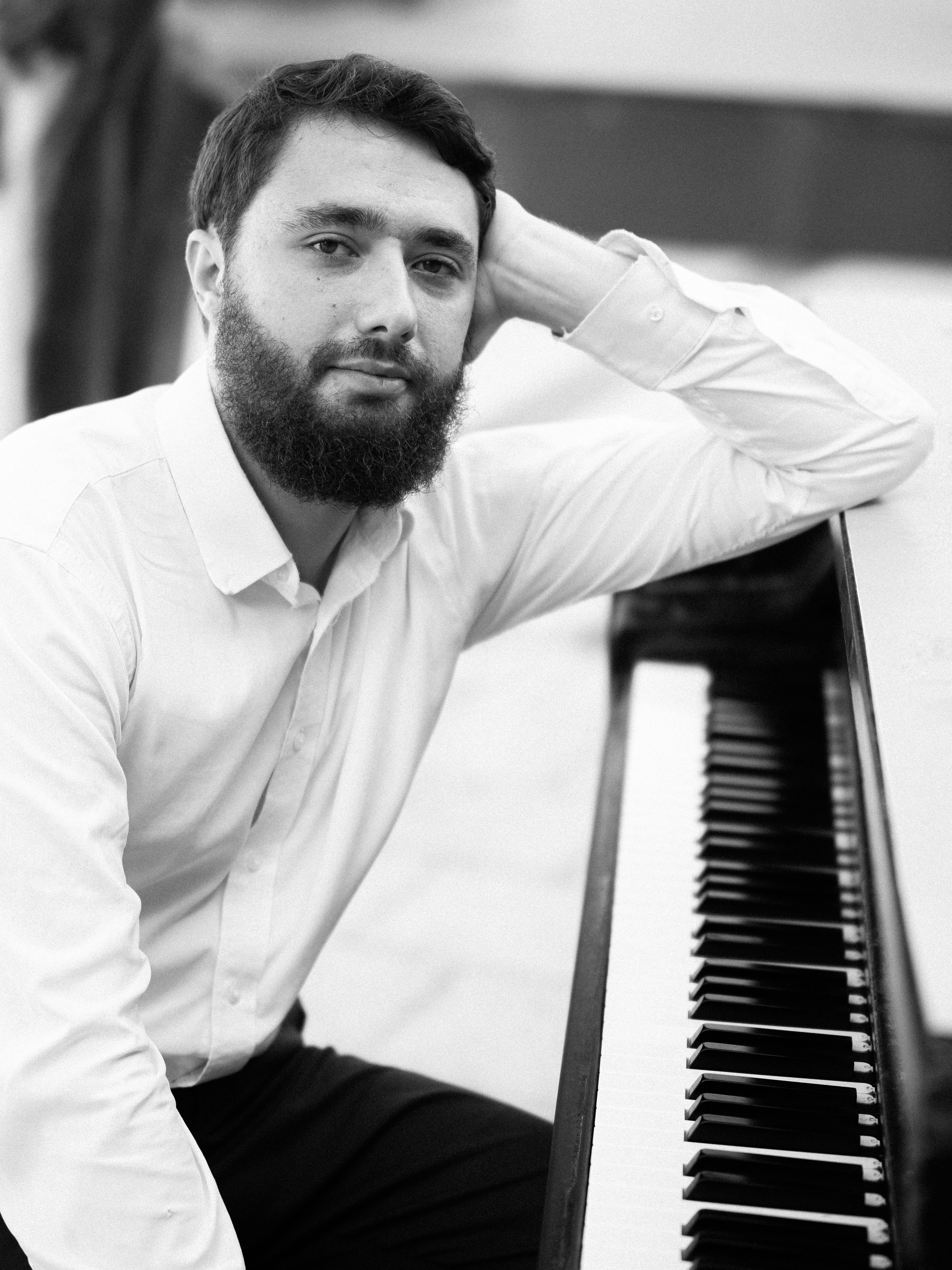
For which ages —
areas of study
The lessons are adapted by age and are intended for children, teenagers, and adults of any level who would like to become professionals or improve their level.
For children and teenagers, especially beginners, the lessons take a playful and associative form, so as not to scare them off with the excessive complexity of professional terminology. For more mature students, the intensity of immersion in the process increases.
Understanding yourself and music
Music expresses the performer's desires and feelings and affects the listener, so it is important to learn to reflect on and understand your own emotions, feelings, and desires in order to later apply them in sound. Understanding what you want to accomplish on your professional path, why, and how to achieve it. Understanding music, its role and purpose in society, culture, and history. Aesthetics and philosophy.
Mastering the professional repertoire
From the simplest works of Bach to the concertos of Rachmaninoff. Complex kinds of technique through an understanding of the artistic image, of your own body, and of psychosomatics. A deep immersion in the connection between body, psyche, and sound.
Theory, solfège, sight-reading, and music notation
Theoretical disciplines to help in mastering the artistic image of a work. Immersion in the imaginative world of the expressive means of works and their connection with the inner world and historical context.
Psychological and physical difficulties
Working through various physical tensions, fear of the stage or of listeners, creative crises, burnout, and previous negative experiences in a safe space with freedom of self-expression.
«A very talented, professional, attentive teacher, and a responsive person. An incredibly talented musician. I really liked his approach to teaching. The quality of the lessons is also high, and the results were noticeable practically right after the first lesson (we have something to compare with, as my daughter is studying at a children's music school). We are happy that we found such a wonderful teacher for our daughter. We continue to study and work towards our goals.
We wish Yuriy Dmitrievich health, prosperity, and all the best 🙏🤍»
find this review on avito.ru
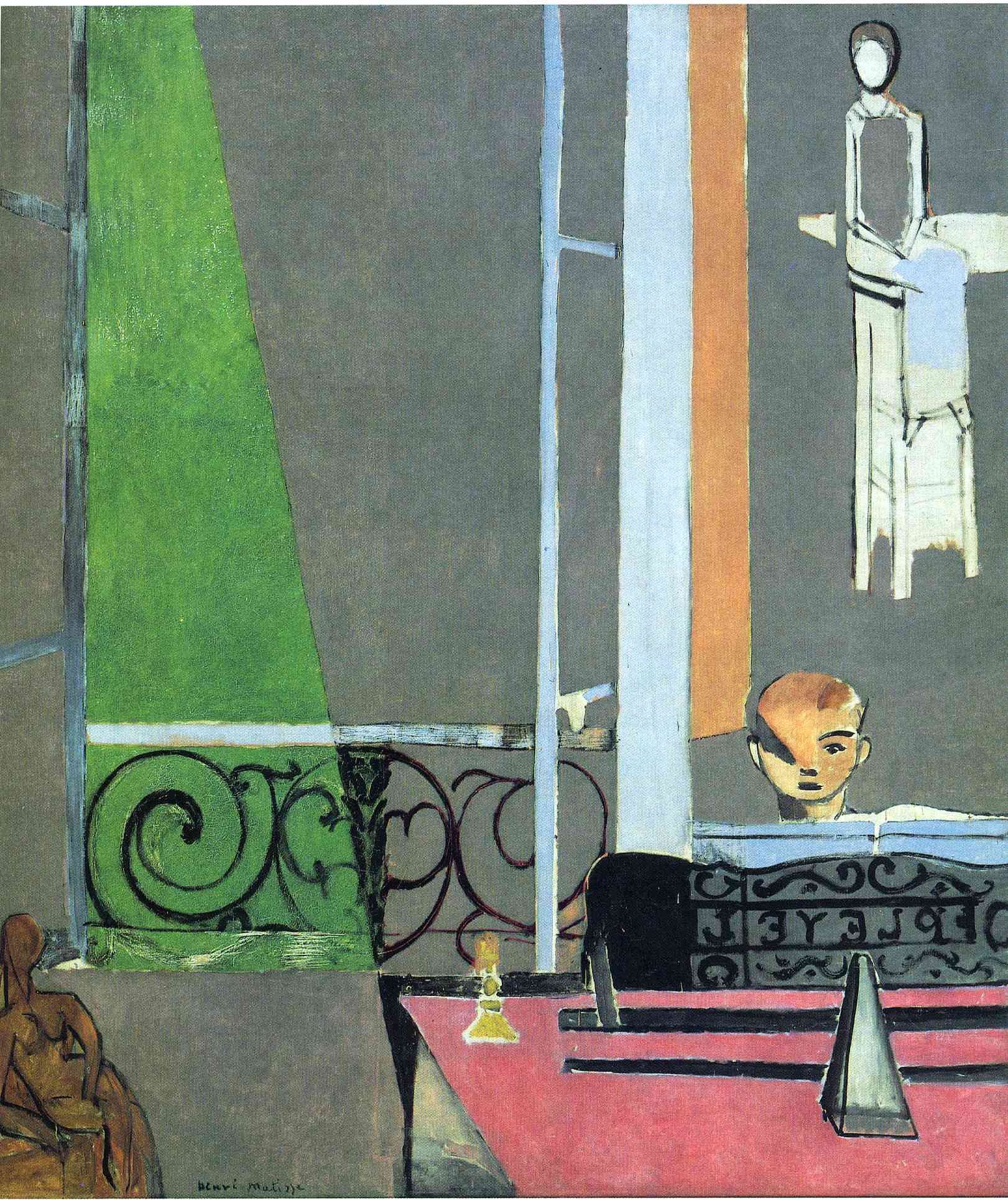
Henri Matisse, «The Music Lesson», 1916-17
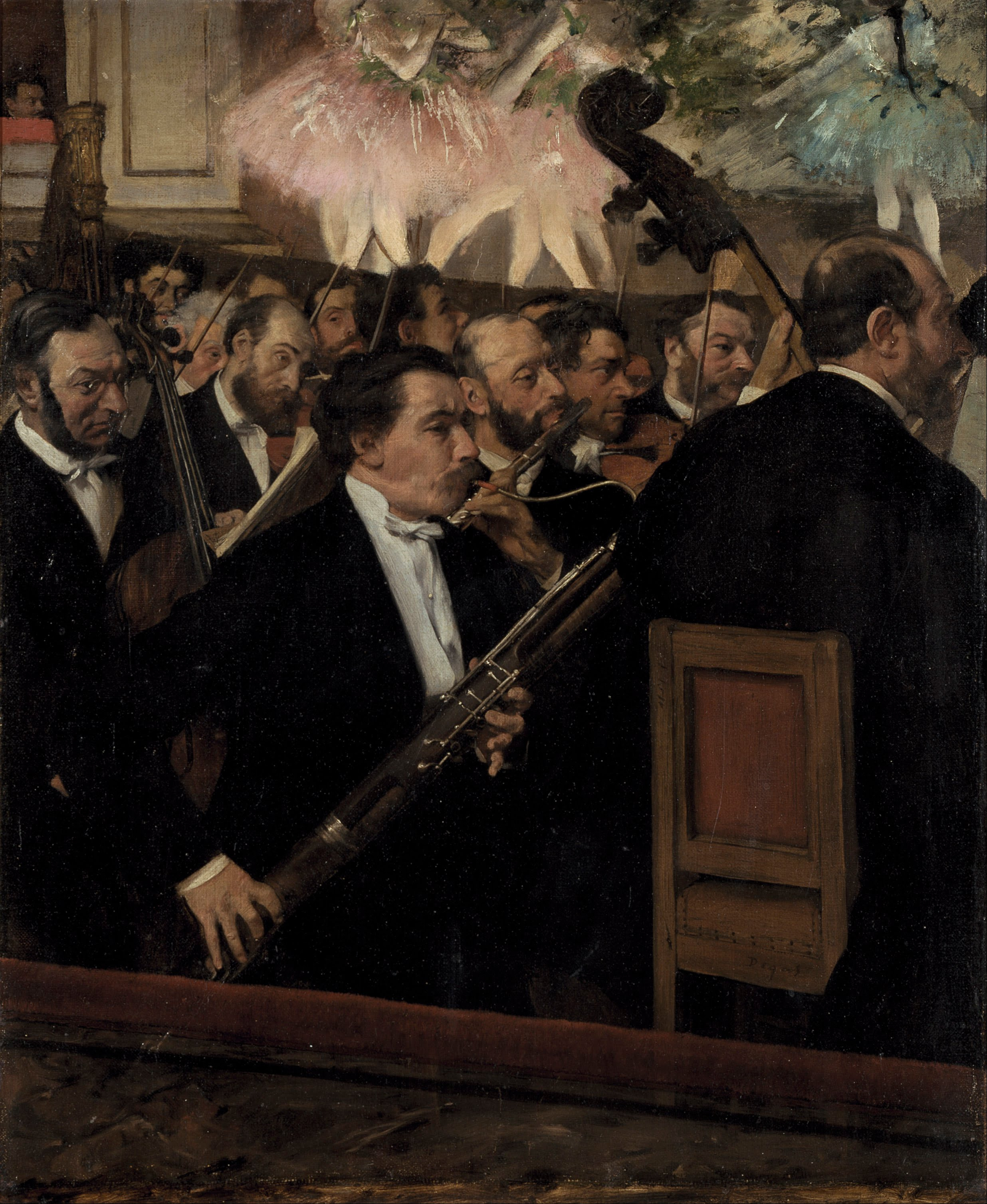
Edgar Degas, «The Orchestra of the Opera», 1870
Working Method
«Music is the language of the soul; it is the realm of feelings and moods;
it is inner life expressed in sound.»
Learning and dialogue in a safe space
↓Understanding your emotions, thoughts, and goals
↓The ability to hear your inner world in sound
↓Creating your own sounds that express emotion
↓The ability to make your sound clear and meaningful to the listener
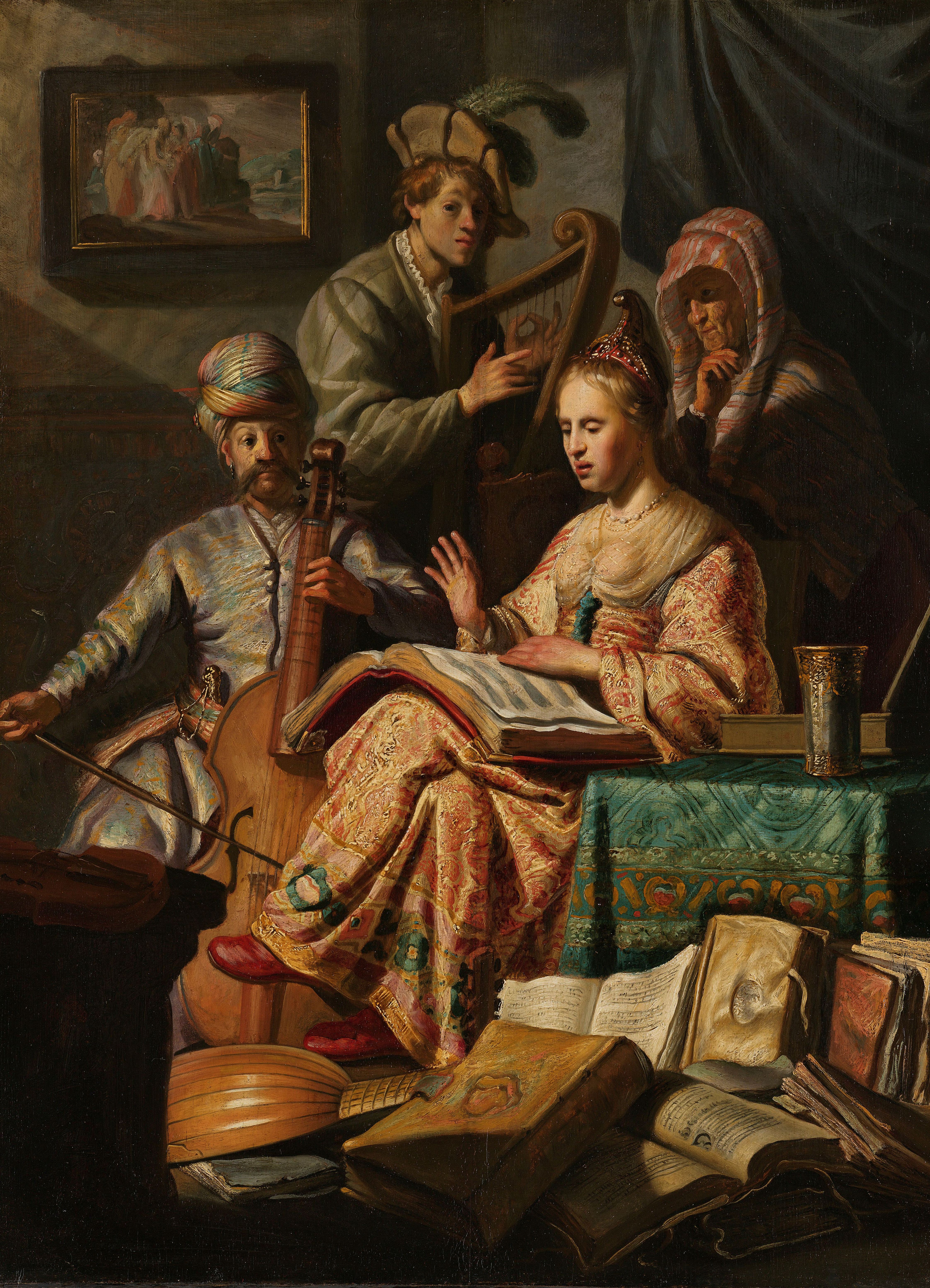
Rembrandt, «The Allegory of Music», 1626
Goals and Objectives
The human soul is infinitely varied. Since time immemorial, music has been used as a language for conveying the inner world from one person to another.
At the core of my method is teaching conscious music-making, a deep understanding of music, and the ability to express oneself in sound as deeply and fully as possible.
How the Goals Are Achieved
All people are different, so the approach to each is strictly individual; I regard each person first and foremost as an individual. Much attention is given to supporting the student's motivation. In the lesson I create a safe space where one need not fear judgment or pressure and can freely express one's feelings.
Since the content of music is emotions, desires, and experiences, the most important task becomes a person's understanding of themselves and their inner world. I help the student reflect on what they feel and why, to broaden their understanding of what they would like to express in their music, what prompted them to play, and so on. The content of the lessons is confidential and is not disclosed to third parties, and the methods offered are voluntary.
At the same time, it is necessary to understand and hear the emotions and images in the music itself. This is called musicality. To develop it, in the lessons we play pieces, try to understand their content, and draw associations from life and other art forms.
Bringing artistic tasks to life, in turn, is carried out by the performer's hands and body, so considerable attention is given to developing the body's motor functions.
The ability to hear one's listener is a separate and most important area of work, since the listener always comes with their own desires and mood. The ability to sense this and make the music more suitable for them is a subtle and many-sided art.
On Overcoming Difficulties
Various obstacles may arise along the way. These can be various negative past experiences, as well as other inner attitudes — for example, excessively high expectations of oneself, or, conversely, the conviction that nothing will work out. Such attitudes are often unconscious and are difficult or impossible to detect on one's own, yet they drain energy, reduce motivation, and delay the achievement of results. In the lesson, special work is done to gradually become aware of, and accordingly gently overcome, such difficulties. Psychoanalytic methods are used.
Frequently Asked Questions
Yes — we do detailed work on such issues.
If you follow the recommendations and attend the lessons, these questions are solvable!
Together we'll select the best repertoire for your level and goals.
«My impressions of the lessons were extremely positive.
The teacher is punctual, attentive to detail and the student's needs, and is tactful and patient in his communication.
I would especially like to highlight his systematic and thoughtful approach to teaching. The emphasis is not only on perfecting technique but also on understanding the music. This fundamentally changes the way you play, helping you approach it more consciously.
I highly recommend.»
find this review on profi.ru
Studio
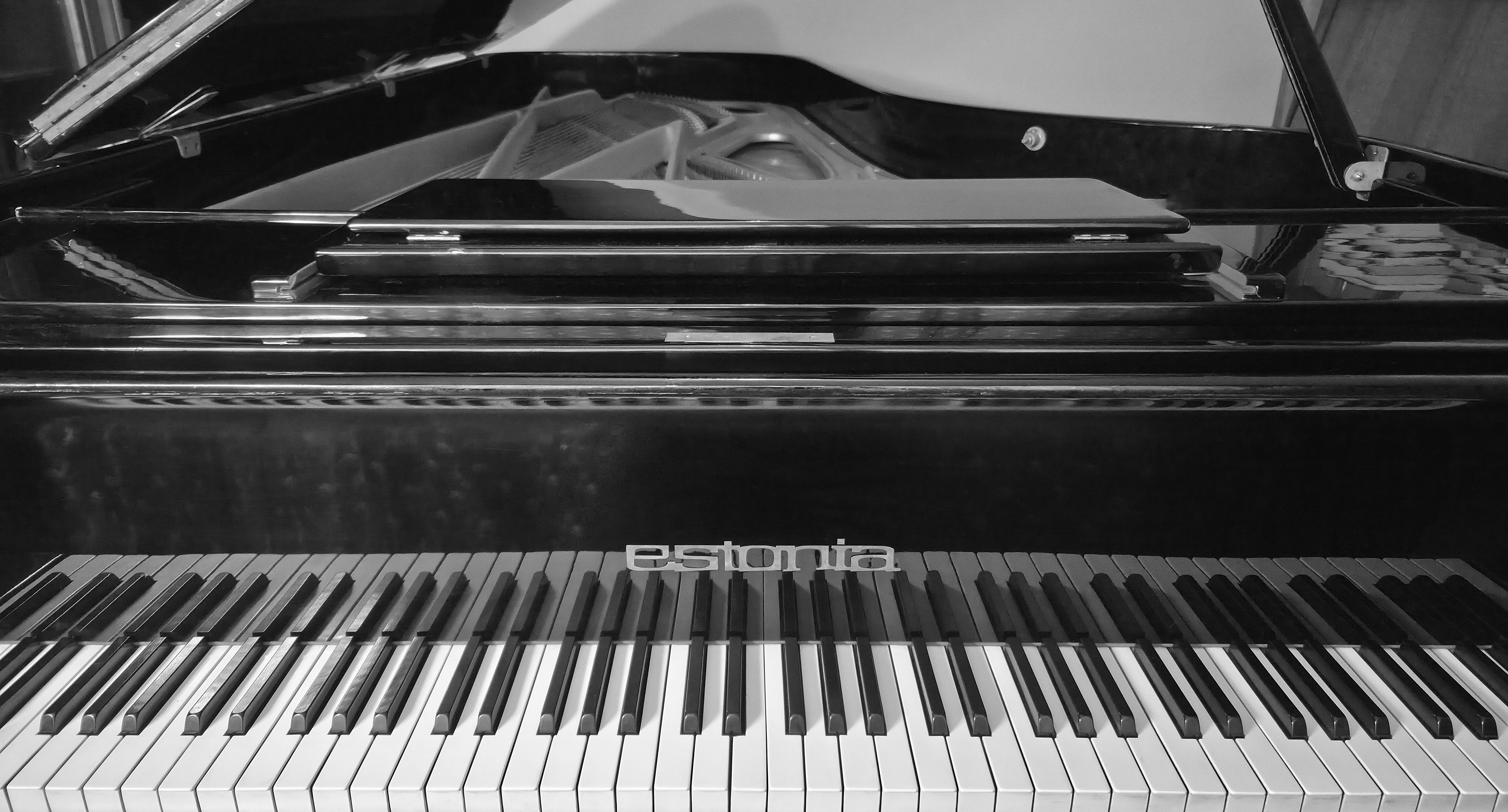
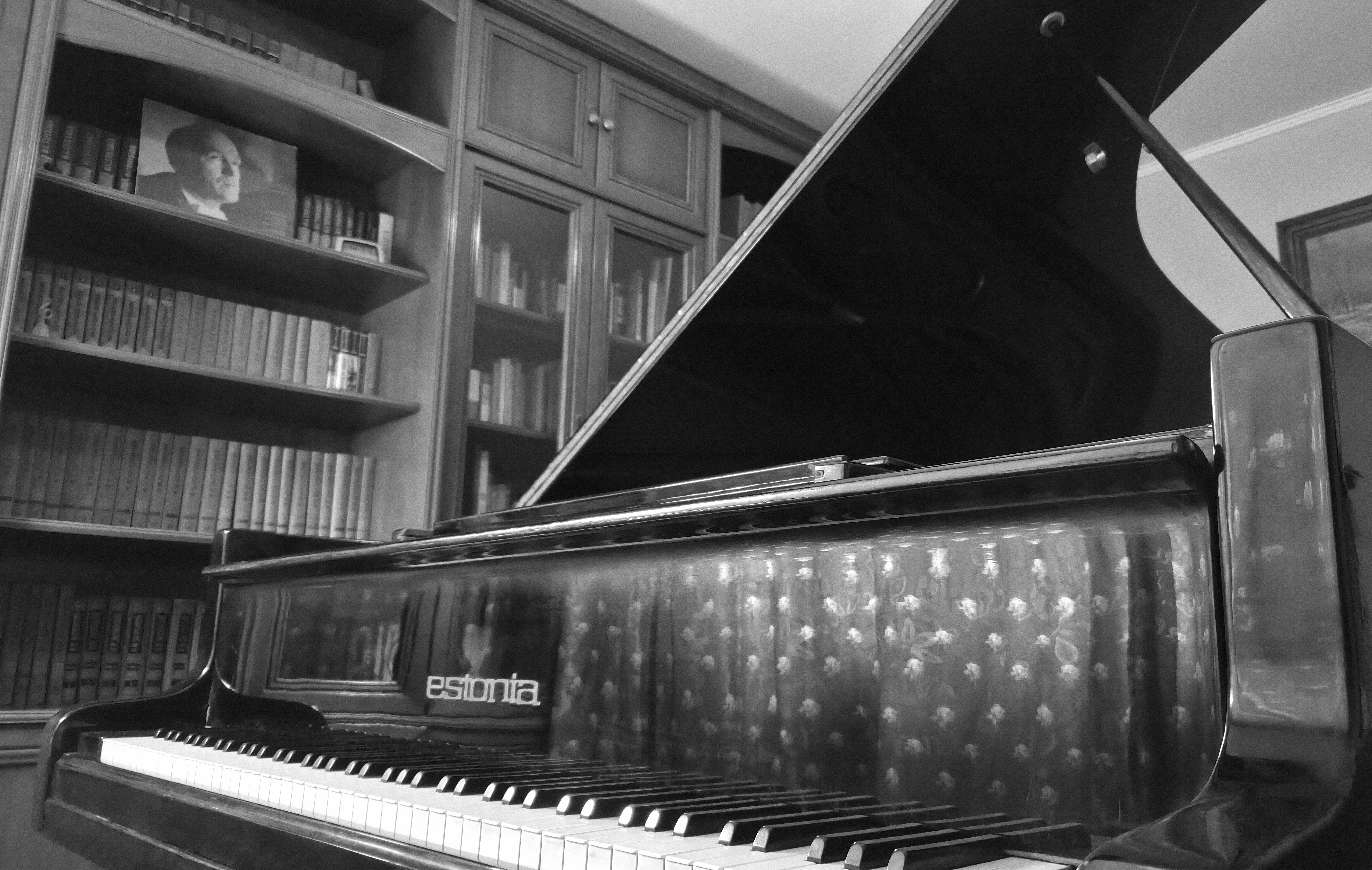
The studio is located near Akademicheskaya metro station (a 10-minute walk) or Krymskaya metro station (the tram runs almost to the door). It is a separate room with a high-quality concert grand piano where no one will disturb your immersion in music. There is a separate waiting room for those accompanying the student.
Lesson Details
Format
In person or online
Duration
50 minutes
Price
40 USD
Booking / Contact
The best way to start is with a free 20-minute phone consultation, where we can discuss your aims and goals, you can ask any questions, and we will see whether I can help you.
Book a Consultation
Leave your details and I'll call you back (your information is never shared with third parties).
How to Reach Me
Address: Bolshaya Cheryomushkinskaya St., 20, bldg. 4, Akademicheskaya metro station, Moscow
Phone: +79096900776 (call, or Max, Telegram, WhatsApp)
Email: yurgus2022@gmail.com